




University of California
Energy Use in Buildings

UC Merced Energy Planning

When California set out to build an entirely new University of California campus in Merced in 1999, opportunity knocked for energy experts. New buildings of every kind would rise from the vast, empty tract of San Joaquin Valley land — housing, classrooms, high-tech labs, and more. The chance to envision something bold, to plan energy-efficiency into every detail, was unparalleled.

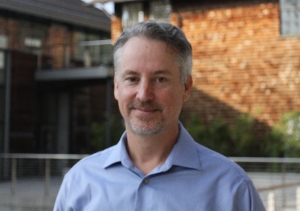
img_karlBrown_194wCIEE Deputy Director Karl Brown, research director for the Energy Use in Buildings program, was named the 2010 UC Sustainability Champion for these efforts and for leading the UC adoption of monitoring-based commissioning practices. Learn More »

Results have wildly exceeded expectations. Young and growing, UC Merced is a living laboratory of sustainability, where every major building is LEED-certified. Its early efficiency goals met and exceeded, the campus is reaching higher: aiming for zero net energy for its buildings and vehicle fleets by 2020. Simply put, UC Merced is proof of what’s possible, with vision, technology, and smart planning.

CIEE has been a leader in the effort from day one. In a groundbreaking process, graduated “all-in” goals for deep energy were set, aiming first to reduce usage to 80% of the benchmark for university buildings and ramping down 50% as the campus grew. Each building was outfitted to monitor actual performance over time. With the first decade of feedback now in, campus planners are confident in raising the bar. They now aim to drop energy use to 25% of 2000 university levels and produce an equal amount net to the grid, primarily from solar energy systems now included in campus planning.

Karl Brown, UC Merced, and the UC system also garnered the 2008 “Go Beyond” honors for these efforts from the International Institute for Sustainable Laboratories and R&D Magazine.

CIEE experts have championed these ambitious goals, and managed research to make them possible. Their experience made them key players in crafting UC’s far-reaching Policy on Sustainable Practices, and in convening the annual California Higher Education Sustainability Conference to showcase technologies and practices that yield results.